
Lumbar Disc Injuries: Causes, Symptoms & Comprehensive Treatment (Operative & Non-Operative)
Published by: Sports Performance PhysiotherapyWebsite: https://www.sportsperformancephysio.com/
Low back pain due to lumbar disc injuries is one of the most common musculoskeletal conditions affecting athletes, workers and active adults.
Whether from a disc bulge or herniation, these conditions can be painful and limiting — but most cases respond well to structured, evidence-based physiotherapy.
This guide explains what lumbar disc injuries are, how they are diagnosed and the most effective non-operative and operative lumbar disc injury treatment approaches.
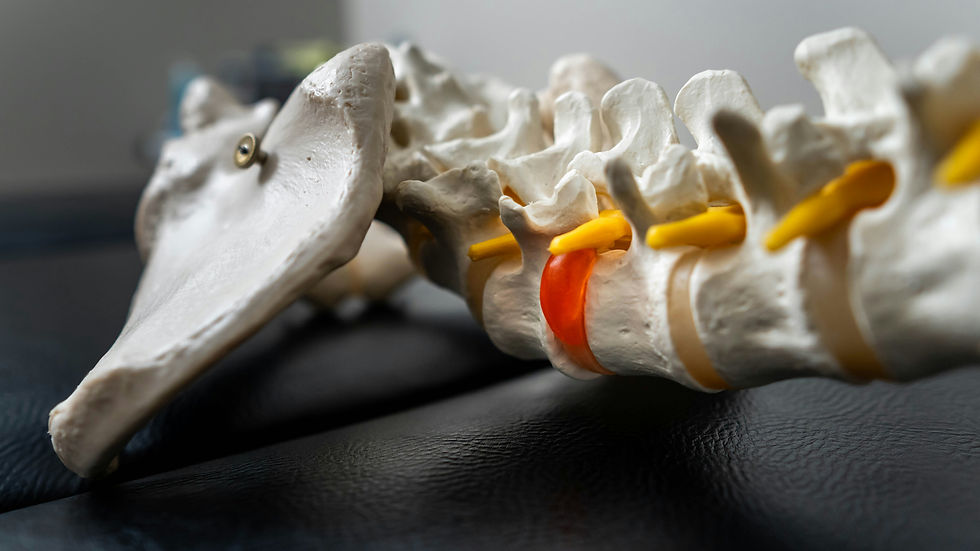
What Are Lumbar Disc Injuries?
The lumbar spine consists of five vertebrae (L1–L5) separated by intervertebral discs.
These discs:
Act as shock absorbers
Allow movement between vertebrae
A lumbar disc injury occurs when:
The inner disc (nucleus) pushes into or through the outer wall (annulus)
This results in a disc bulge, herniation or sequestration
Pain may occur due to:
Mechanical compression of nerve roots
Inflammation around neural structures
Movements such as bending, lifting or twisting can aggravate symptoms.
Symptoms of Lumbar Disc Injuries
Common symptoms include:
Low back pain
Leg pain (sciatica) radiating into the buttock or leg
Numbness or tingling
Lower limb weakness (in more severe cases)
Pain aggravated by sitting, bending or coughing
Symptom severity depends on:
Size and direction of disc injury
Degree of nerve compression
Duration of symptoms
How Are Lumbar Disc Injuries Diagnosed?
Diagnosis involves:
Comprehensive history
Physical examination
Movement and neurological assessment
Nerve tension testing (e.g. straight leg raise, slump test)
When Is Imaging Needed?
MRI is typically used when:
Symptoms are severe or persistent
Neurological deficits are present
Surgical consideration is required
MRI provides detailed information about disc pathology and nerve involvement.
If you are experiencing persistent back or leg pain, assessment with a physiotherapist in Drummoyne can help determine the correct diagnosis and treatment pathway.
Non-Operative (Conservative) Lumbar Disc Injury Treatment
Most lumbar disc injuries improve without surgery.
Up to 90% of patients recover within 6–12 weeks with appropriate conservative care.
1. Education & Load Management
Avoid prolonged sitting and forward bending initially
Use frequent breaks and vary posture
Understand pain patterns and triggers
2. Pain Management Strategies
Heat or ice
Short-term medication (as advised by your doctor)
Neural mobilisation exercises
3. Therapeutic Exercise & Progression
Exercise plays a central role in recovery.
Programs aim to improve:
Core and trunk stability
Hip mobility
Spinal movement
Typical progression includes:
Isometric activation
Motor control and stability
Strength training
Functional and sport-specific loading
For structured rehabilitation programs, see our Musculoskeletal Physiotherapy in Drummoyne.
4. Manual Therapy
Hands-on treatment may assist with:
Spinal mobilisation
Soft tissue release
5. Psychological & Behavioural Factors
Addressing fear of movement and building confidence is important for long-term recovery.
Note: Prolonged bed rest is not recommended and may delay recovery.
When Is Surgery Considered?
Surgery is considered when:
There is progressive neurological deficit
Pain persists despite structured rehabilitation
Significant nerve compression is present
Symptoms severely impact daily function
Common Surgical Options
1. Microdiscectomy
Most common procedure
Removes disc material compressing the nerve
Minimally invasive
2. Laminectomy / Decompression
Used when spinal canal narrowing is present
3. Spinal Fusion (Less Common)
Considered in cases of instability or recurrent disc injury
Surgical decisions are based on clinical findings, imaging and patient goals.
Rehabilitation After Surgery
Post-operative rehabilitation is essential.
Early Phase (0–6 Weeks)
Pain management
Gentle mobility
Avoid excessive bending and lifting
Intermediate Phase (6–12 Weeks)
Core and pelvic stability
Strength progression
Advanced Phase (3+ Months)
Functional training
Sport-specific loading
Return to work and activity
Progression is guided by pain, movement quality and functional capacity.
Return to Activity & Performance
Return to full activity depends on:
✔ Pain resolution
✔ Strength and endurance symmetry
✔ Functional testing
✔ Core strength capacity
✔ Gradual exposure to running and dynamic movements
At Sports Performance Physiotherapy in Drummoyne, we tailor return-to-performance plans based on individual goals and lifestyle demands.
Prevention & Long-Term Spine Health
To reduce recurrence risk:
Maintain core and glute strength
Improve hip and thoracic mobility
Use proper lifting technique
Balance training and recovery
Summary
Lumbar disc injuries are common but highly manageable.
✔ Most cases improve with non-operative care
✔ Exercise-based rehabilitation is essential
✔ Surgery is reserved for specific cases
✔ Early assessment improves outcomes
If you are experiencing low back pain or sciatica in Drummoyne or the Inner West, early assessment can guide the right treatment.
👉 Book here:https://www.sportsperformancephysio.com/contact


Comments